
Meticulously handcrafted in the Himalayas

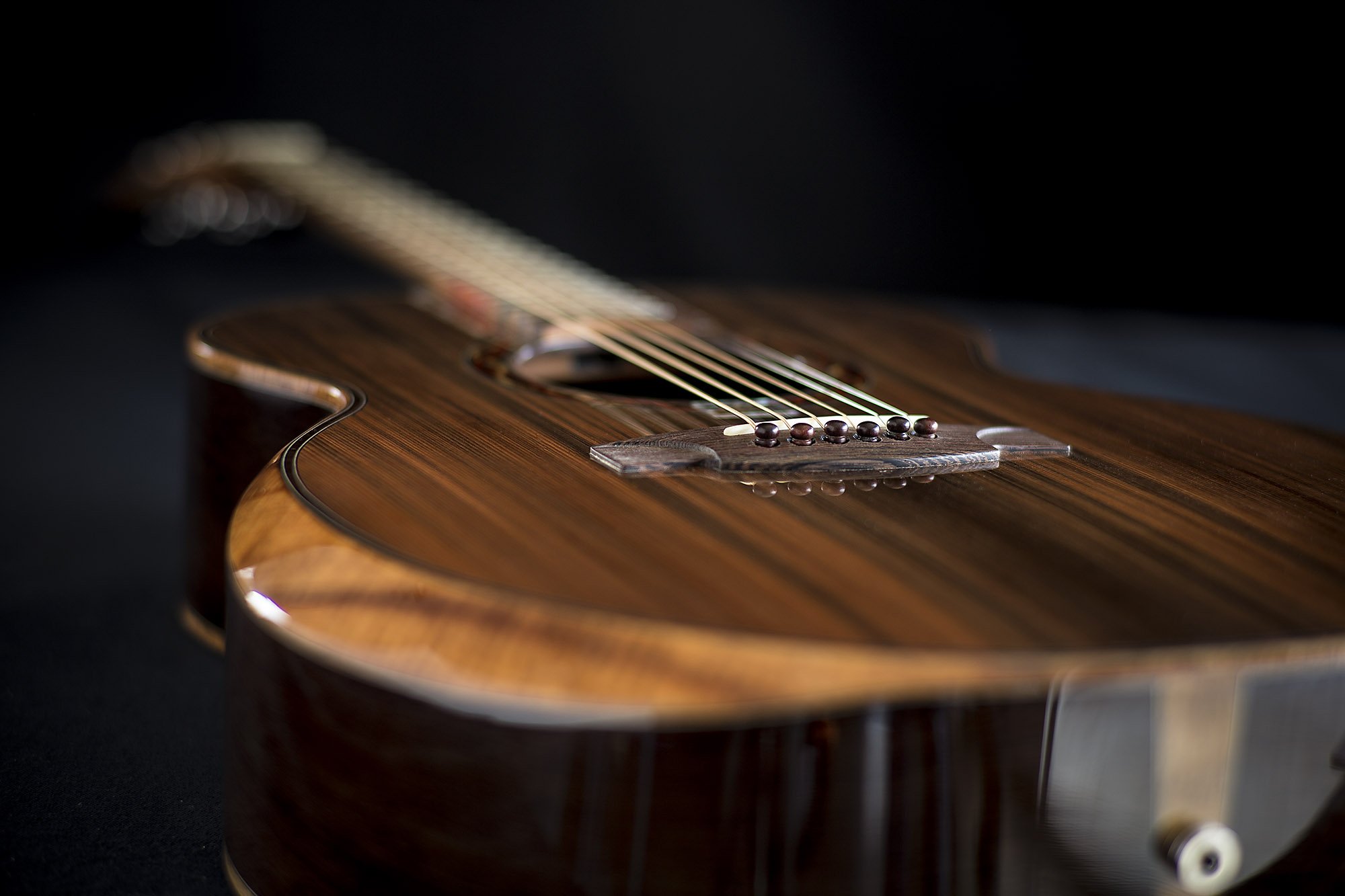
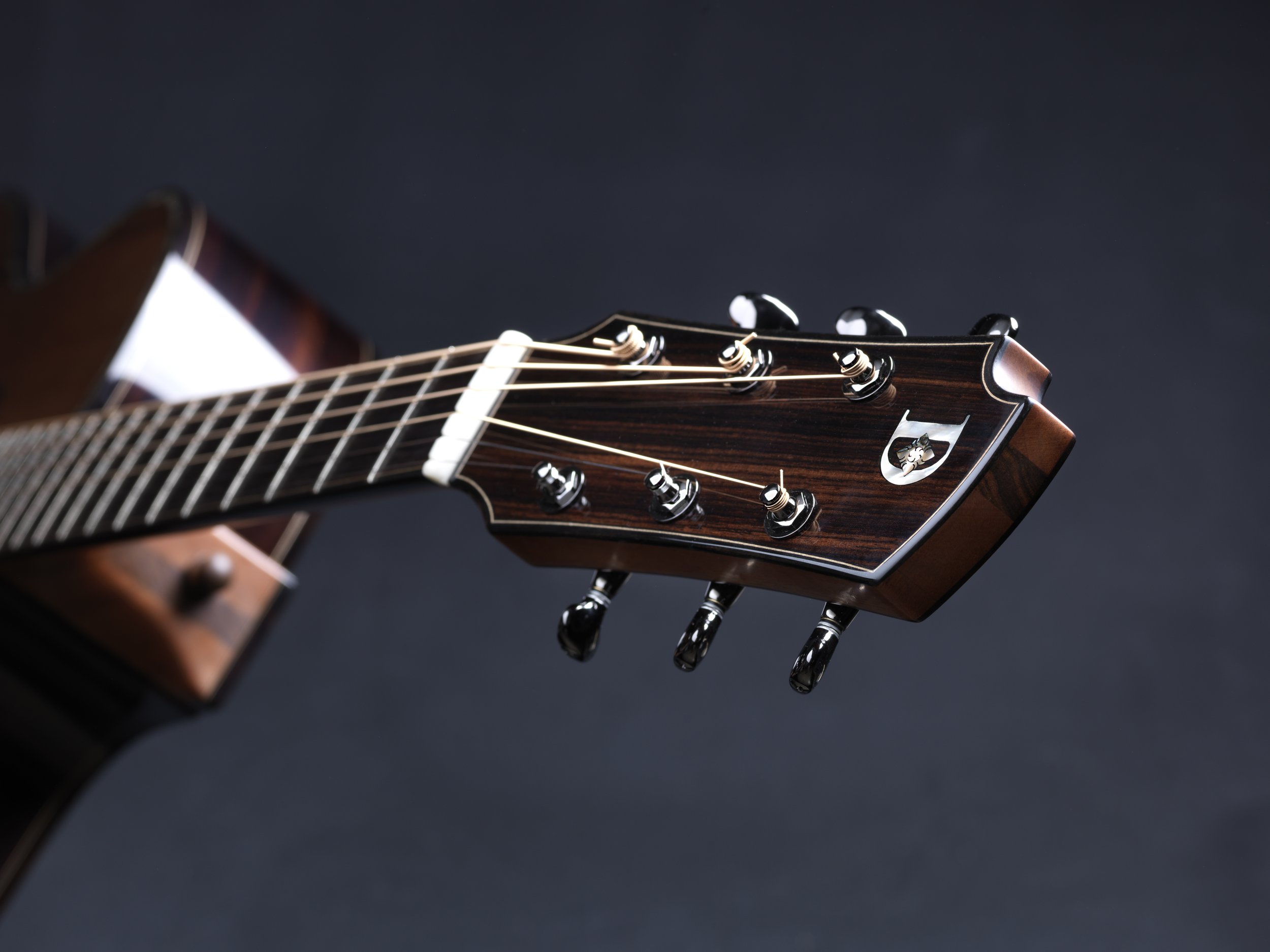
“We walked always in beauty, it seemed to me…. We did not often speak. The place spoke for us and was a kind of speech.”
- Wendell Berry
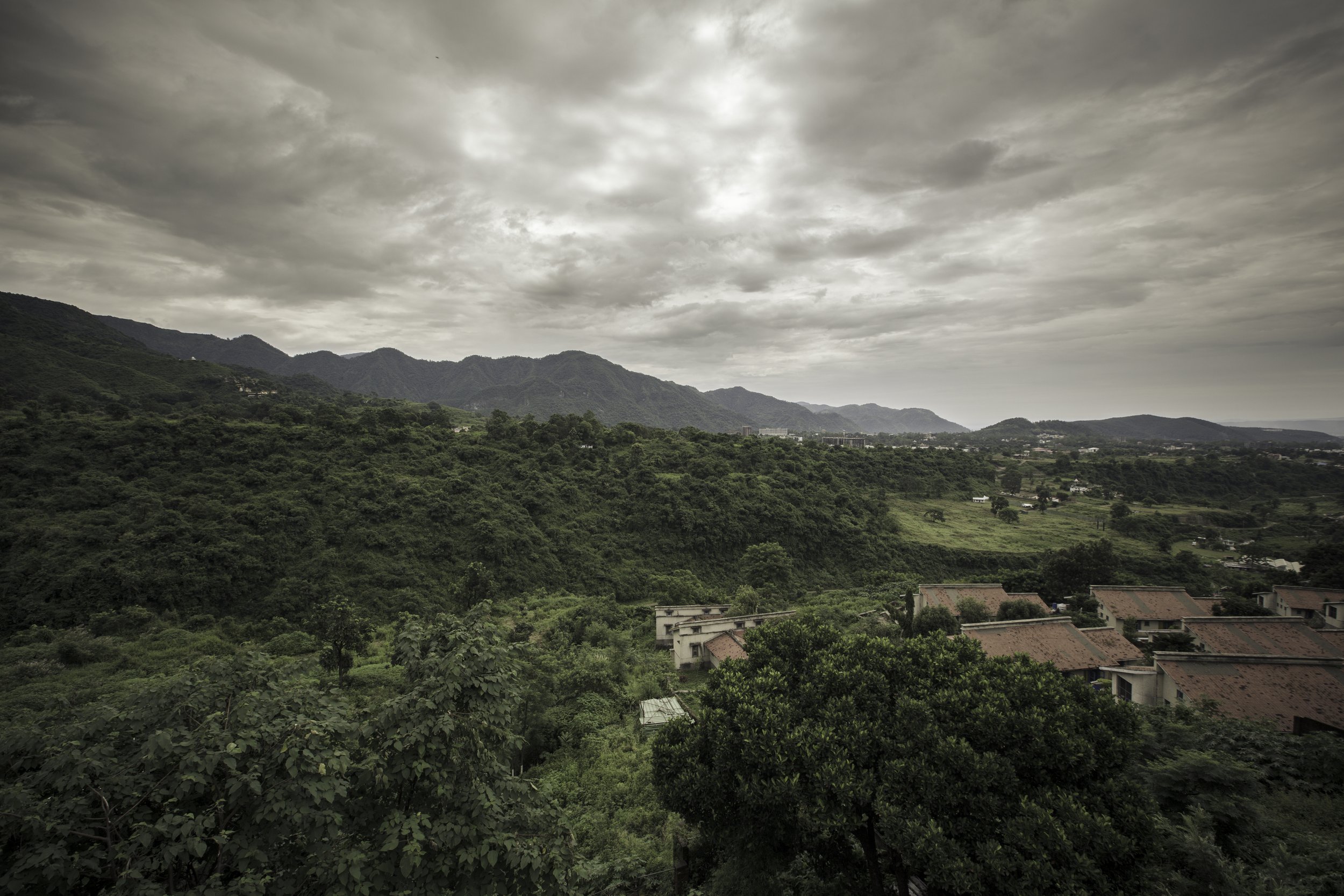

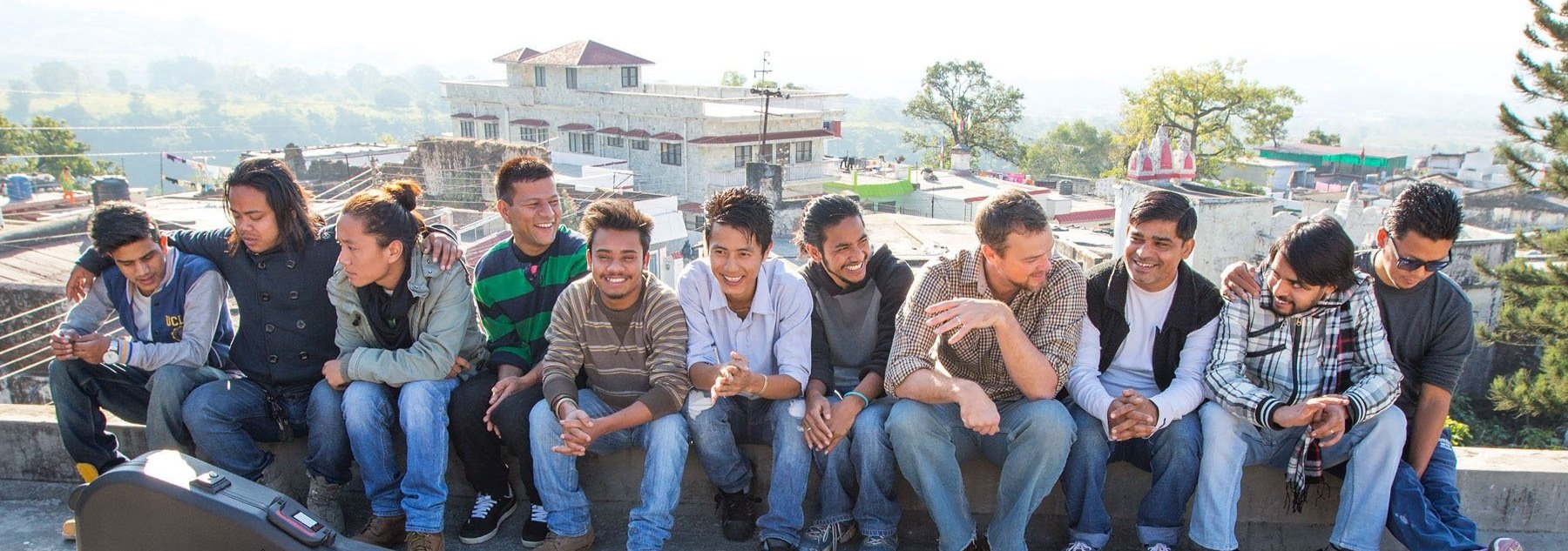
During the early months of 2010, in a small town in the foothills of the Himalayas, a few young locals became friends with a luthier from Tennessee named Dave.


We spent much of our time making music and trading stories.

Before long, we decided to try making a few instruments. We went down to the local wood market to look for materials and found out that you couldn’t buy lumber….
You had to buy the whole log.
We went out hoping to find enough materials for four guitars. We came back with enough for forty.

Those first few were built on the kitchen table, entirely with hand tools. Just for fun, just for us. But after sharing photos of our work on a makeshift website, several friends contacted us to see if the guitars were for sale.

Within a couple weeks we had booked ten custom orders and were thrust into the realm of guitar-making entrepreneurship.
And new requests kept coming in.

So we rented a neglected old building and transformed it into a fully-equipped woodworking shop.

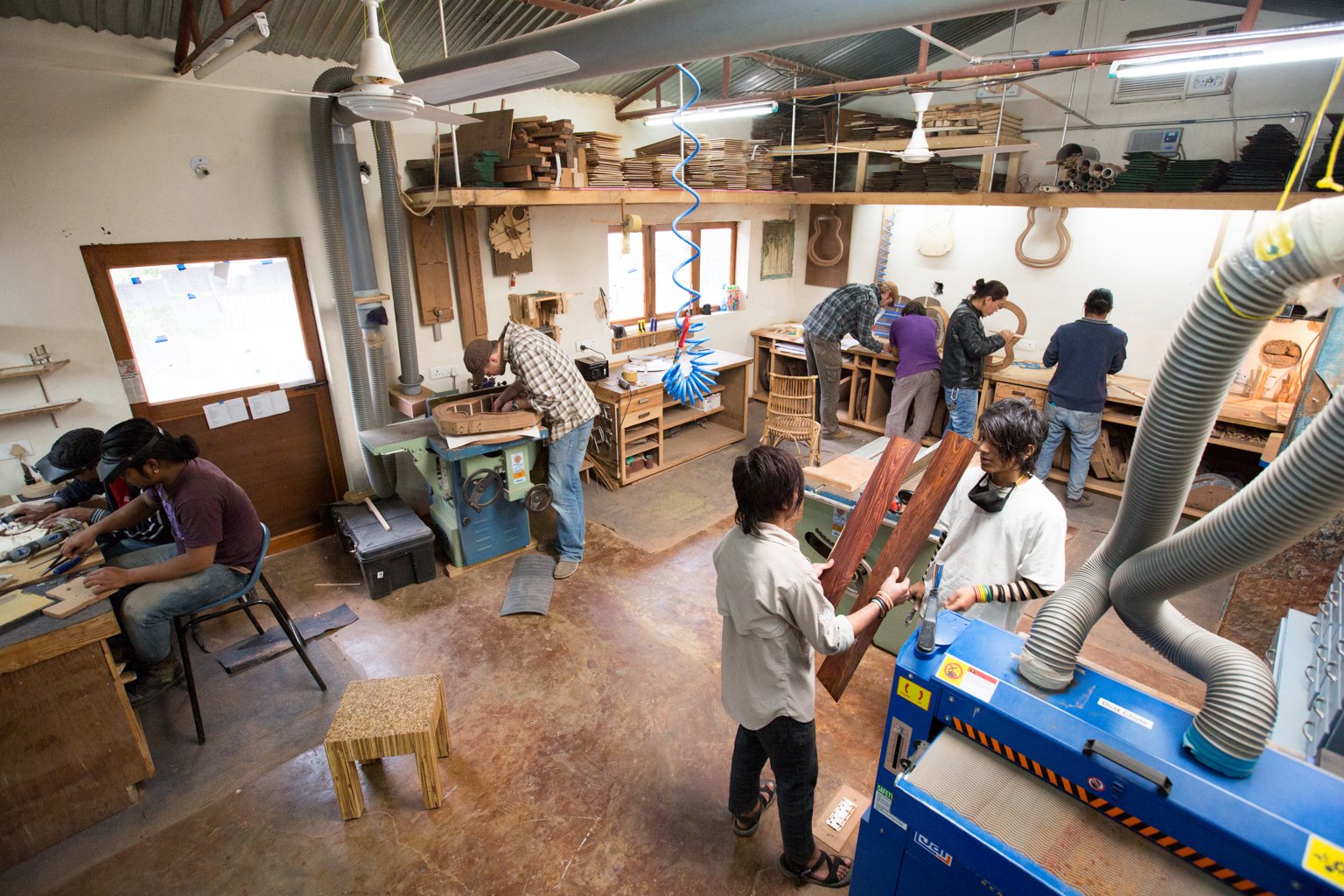
Together, we trained intensively in the art of building world-class, custom guitars. Each new instrument was designed for the client, from the ground up. Each was a labor of love, with construction taking 150 man hours or more.
It’s a good thing our first commissions were for friends and family, because they had to be exceedingly patient and gracious, as we did our best to deliver the most responsive, beautiful instruments we could.

It was a great education in guitar making and design, and we were grateful for the chance to to please our customers with completely unique, once-in-a-lifetime instruments. Over next few years, we continued to grow together, in skill and in friendship.

Five years in, without any warning, Dave’s family was deported from India. Despite this setback, the team continued to build together, while Dave & family petitioned for the right to return. This was a challenging time, but it was also a great triumph, as the the team persevered and kept delivering instruments.

After four years away and 17 court hearings, Dave was finally able to return to India, just in time for the Covid-19 pandemic. This added a new layer of difficulty for manufacturers around the world and like many, we were forced to shut our doors for a season. Today, we’re back and growing again. Focused on our favourite three designs, we remain committed building high-quality instruments while supporting one another through thick and thin…as the
Dehradun Guitar Company

“It may be that when we no longer know what to do we have come to our real work, and that when we no longer know which way to go we have come to our real journey. The mind that is not baffled is not employed. The impeded stream is the one that sings.”
- Wendell Berry

DESIGN

Since most of our instruments have been custom designs, we’ve built just about everything at least once…both modern and traditional nylon string guitars, chambered and solid body electrics, 12-strings, 10-string baritones, modern fingerstyle cutaway SJs, traditional dreadnoughts, 12-fret parlor guitars, and of course, some fairly radical custom commissions that are difficult to describe without photos.

The steel string acoustic guitar in particular presents a myriad of challenges, because you have so much stress acting on such thin structures. In fact, the lighter you build those structures, the more resonant the instrument. So if you want to make a truly responsive acoustic guitar, you’re constantly walking a tightrope.

Early on, we experimented with offset soundholes, tailpieces, elevated fretboards, double tops with space-age nomex cores, double sides, laminated braces, lattice bracing, rim struts, adjustable neck angles, sound ports, passthrough bridges and carbon fibre reinforcement.
We still incorporate some of these innovations.

Just as important, we learned to let a lot of them go and focus on what really works.
That’s why, for example, most of our acoustic guitars are built with an elevated fretboard. This structurally unifies the entire neck, so the guitar never develops that all-too-common hump at the body joint.
Reverse kerfing stiffens the rim, allowing more of the energy to activate the soundboard and back.
Instead of a heavily-braced upper bout, carbon fibre struts span from the head block to the waist, locking the neck angle to the stiffest part of the rim. This allows us to free the soundboard from the burden of supporting the fretboard, radically increasing the size of the active soundboard. This makes a huge difference on smaller designs, contributing significantly more warmth and resonance.
We use carbon fibre rods on either side of a bullet-proof, single-action truss rod. This helps weight-balance the instrument and yields a very stable, stiff neck, keeping the energy in the string for great sustain. Belleville spring washers secure the neck-to-body joint while allowing us to dial in the neck angle with absolute precision.

We offer the passthrough bridge and tailpiece as a custom option, because they allow the soundboard to relax and relieve the stress acting on the rim. This is especially suitable for fingerstyle players who don’t do a whole lot of heavy strumming, because the soundboard is responsive to the lightest touch.
In order to protect your guitar without sacrificing tone, we use an extremely thin, hand-polished satin lacquer finish that ages gracefully and allows the natural resonance and beauty of the wood to shine through.

